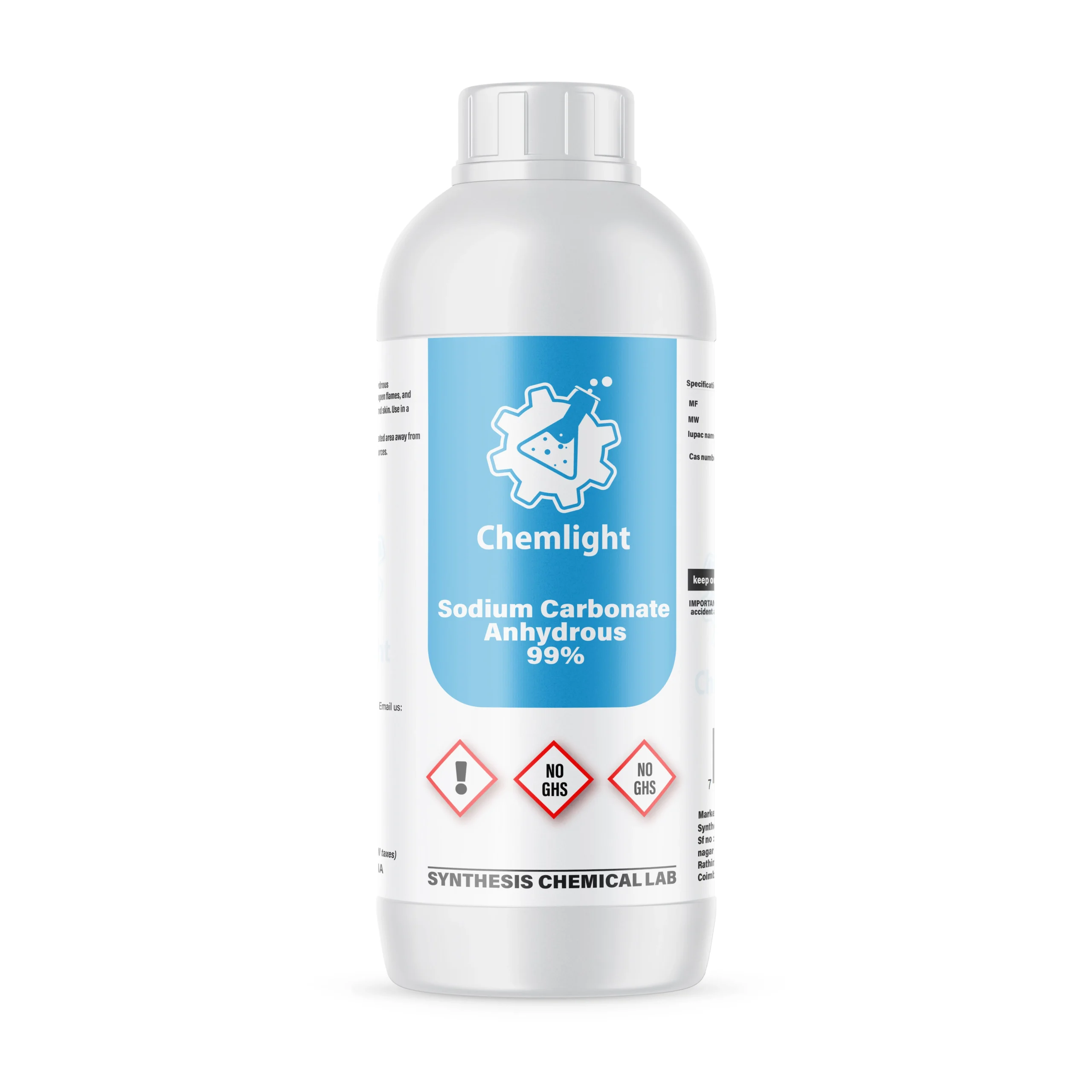
Sodium Carbonate AnhydrousSodium Carbonate Anhydrous
Sodium Carbonate Anhydrous (Na₂CO₃) is a highly concentrated, white, odorless powder commonly used in industrial applications such as glass manufacturing, detergent production, water treatment, and chemical synthesis. Known for its ability to lower melting points and regulate pH levels, it serves as an efficient fluxing agent, water softener, and cleaning agent. Its versatile nature makes it ideal for a range of applications, from household cleaning to large-scale industrial processes. Sodium Carbonate Anhydrous is also used in food processing, agriculture, and pool maintenance for pH adjustment.
₹450.00 Original price was: ₹450.00.₹210.00Current price is: ₹210.00.

Free Free Free Shipping | Ships in 24hrs!

Free Shipping

Secure Transaction

Expert Support
Applications
- High Purity and Concentration: The anhydrous form is more concentrated than hydrated versions, offering higher efficiency.
- Versatile: Used in various industries from cleaning to glass production and agriculture.
- Cost-Effective: Requires less material compared to hydrated forms, making it more economical.
- Energy-Efficient: In processes like glass manufacturing, it reduces energy consumption by lowering melting point.
Uses
1. Glass Manufacturing
Sodium Carbonate Anhydrous is a crucial component in the production of glass, particularly in the formation of soda-lime glass. It acts as a fluxing agent, reducing the melting temperature of silica, making it easier to mold and shape glass products. Its ability to lower the melting point also improves energy efficiency during glass production.2. Detergents & Soap Production
It plays a key role in the formulation of detergents and soaps by softening water and enhancing cleaning power. Sodium Carbonate Anhydrous helps to break down grease and dirt while acting as a pH regulator, improving the overall effectiveness of cleaning products.3. Water Treatment
Sodium Carbonate Anhydrous is widely used in water treatment processes to adjust and stabilize pH levels. It is effective in softening water by precipitating calcium and magnesium ions, making water less prone to scaling and improving its quality for industrial use, including cooling towers and boiler systems.4. Chemical Manufacturing
Sodium Carbonate Anhydrous is used in a variety of chemical processes as a raw material. It serves as a key ingredient in the production of sodium bicarbonate, sodium silicate, and other chemicals. Additionally, it is used in the manufacture of pigments, dyes, and as a buffering agent in various chemical formulations.5. pH Regulation in Pools
Sodium Carbonate Anhydrous is often used to increase the pH of swimming pool water, ensuring it stays within the ideal range. This helps prevent corrosion of pool equipment and maintains water clarity and cleanliness.6. Food Industry (pH Adjuster and Leavening Agent)
Sodium Carbonate Anhydrous can be used in food processing as a pH regulator. It also serves as a leavening agent in some baked goods, helping to create a light and fluffy texture in products like cookies and cakes.7. Textile Industry
In the textile industry, it is used in the dyeing process to help fix dyes to fabrics. Sodium Carbonate Anhydrous helps maintain the proper pH levels in dye baths, ensuring optimal color quality and consistency.8. Pharmaceutical Industry
Sodium Carbonate Anhydrous is used in the pharmaceutical industry for its buffering and pH-adjusting properties. It is found in certain medications and is also used in the preparation of some effervescent tablets.9. Cleaning and Degreasing
Sodium Carbonate Anhydrous is commonly used in cleaning products due to its ability to dissolve grease and oils. It is a powerful degreaser, making it ideal for industrial cleaning and maintenance applications, such as in kitchens, factories, and workshops.10. Agriculture
In agriculture, Sodium Carbonate Anhydrous can be used to treat acidic soils. By neutralizing excess acidity, it helps improve soil structure and supports better plant growth.Benefits of Sodium Carbonate Anhydrous in Applications:
- High Purity: Provides an effective and concentrated form of sodium carbonate.
- Energy Efficiency: Lowers melting temperatures in manufacturing processes like glass production.
- Versatility: Suitable for use in a wide range of industries, from cleaning to chemical production.
- Cost-Effective: Requires smaller quantities compared to hydrated forms, offering greater value.
Benefits
- High Purity: Provides an effective and concentrated form of sodium carbonate.
- Energy Efficiency: Lowers melting temperatures in manufacturing processes like glass production.
- Versatility: Suitable for use in a wide range of industries, from cleaning to chemical production.
- Cost-Effective: Requires smaller quantities compared to hydrated forms, offering greater value.
Usage Rate
1. Glass Manufacturing
- Fluxing Agent: Sodium Carbonate Anhydrous is widely used in the production of glass, where it acts as a fluxing agent. It lowers the melting point of silica, facilitating easier production of glass. This process is particularly important in making soda-lime glass, which is used in containers, windows, and other common glass products.
2. Soap and Detergent Production
- Water Softener: Sodium Carbonate Anhydrous is a key ingredient in laundry detergents and soap products. It helps soften hard water, which enhances the effectiveness of detergents by preventing the formation of soap scum and enabling detergents to work more efficiently.
- Cleaning Agent: It also aids in breaking down grease and dirt, making it an essential component in many cleaning products.
3. Water Treatment
- pH Adjustment: Sodium Carbonate Anhydrous is used to adjust the pH levels of water, particularly in industrial water treatment processes. It helps neutralize acidic water and is commonly used in boilers and cooling towers to prevent corrosion and scaling.
4. Chemical Manufacturing
- Raw Material: It is a fundamental raw material in the production of chemicals like sodium bicarbonate (baking soda), sodium silicate (water glass), and other alkaline compounds. Sodium Carbonate Anhydrous is also used in various chemical syntheses and reactions.
- Buffering Agent: It serves as a buffering agent in many chemical processes where maintaining a stable pH is critical.
5. Food Industry
- Leavening Agent: Sodium Carbonate Anhydrous is used as a leavening agent in certain baked goods, helping to create a light, fluffy texture by releasing carbon dioxide when combined with acids.
- pH Regulator: It is also used to control the pH in food processing, helping to maintain the desired acidity in products like processed cheese, noodles, and other food items.
6. Textile Industry
- Dyeing and Printing: In the textile industry, Sodium Carbonate Anhydrous is used to regulate the pH in dye baths, improving the color quality and helping the dye to fix more effectively onto fabrics.
7. Pharmaceuticals
- Buffering Agent: Sodium Carbonate Anhydrous is used in pharmaceutical formulations to maintain the pH of solutions or suspensions, ensuring stability and effectiveness in drug delivery.
- Effervescent Tablets: It is a key ingredient in effervescent tablets, where it reacts with acids to release carbon dioxide, aiding in dissolving the tablet and delivering the active ingredients.
8. Cleaning and Degreasing
- Industrial Cleaner: Sodium Carbonate Anhydrous is a powerful cleaning and degreasing agent. It can be used in industrial cleaning applications, especially for removing heavy oils and greases from surfaces in factories, kitchens, and other settings.
9. Agriculture
- Soil pH Adjustment: Sodium Carbonate Anhydrous can be used to treat acidic soils in agriculture, neutralizing soil acidity and improving soil health for better crop yields.
10. Pool Maintenance
- pH Stabilizer: Sodium Carbonate Anhydrous is used to increase the pH level in swimming pools, ensuring the water stays within the desired range for comfort and preventing corrosion of pool equipment.
11. Other Uses
- Cleansing and Disinfection: It is also used in some household cleaning products, especially for tough stains and in de-greasing applications.
- Insecticides and Fungicides: In agriculture, it is sometimes used in small amounts as a mild pesticide and fungicide.
Caution
1. Health Hazards
- Eye Irritation: Sodium Carbonate Anhydrous can cause severe irritation to the eyes. Direct contact may lead to redness, pain, or damage to the cornea.
- Skin Irritation: It can cause irritation to the skin, particularly with prolonged or repeated exposure. This may result in dryness, redness, or dermatitis.
- Inhalation Risks: Inhaling the dust or fumes may irritate the respiratory tract. It can cause coughing, sneezing, or difficulty breathing if inhaled in large amounts.
- Ingestion: Swallowing sodium carbonate in significant quantities can cause gastrointestinal irritation, leading to symptoms like nausea, vomiting, or abdominal pain.
2. Handling Precautions
- Use Personal Protective Equipment (PPE): Always wear protective gloves, goggles, and appropriate clothing to minimize skin and eye contact. If handling large quantities, consider wearing a dust mask or respirator to avoid inhalation.
- Avoid Direct Contact: Always handle Sodium Carbonate Anhydrous in well-ventilated areas, preferably using equipment like fume hoods or exhaust fans. Ensure that the chemical does not come into direct contact with the skin or eyes.
- Avoid Inhalation: Do not inhale the dust. When working with large amounts of sodium carbonate, use a dust mask or respirator and ensure that the area is adequately ventilated.
3. Storage
- Keep in a Dry, Cool Place: Sodium Carbonate Anhydrous should be stored in a tightly sealed container in a dry, cool area to avoid moisture absorption. While it is anhydrous, prolonged exposure to moisture may cause it to absorb water and form sodium carbonate monohydrate or other hydrated forms, potentially altering its properties.
- Keep Away from Incompatible Materials: Sodium Carbonate should not be stored near acids, as it may react with acids to release carbon dioxide gas, potentially causing pressure buildup in containers.
4. First Aid Measures
- Eye Contact: Immediately flush eyes with plenty of water for at least 15 minutes, lifting eyelids occasionally. Seek medical attention if irritation persists.
- Skin Contact: Wash affected skin with soap and water. If irritation continues, seek medical attention.
- Inhalation: Move to fresh air immediately. If symptoms persist, seek medical attention.
- Ingestion: Do not induce vomiting. Rinse the mouth with water and drink small quantities of water. Seek medical attention immediately, especially if large amounts were ingested.
5. Environmental Considerations
- Environmental Hazards: Sodium Carbonate Anhydrous is not considered to be highly toxic to aquatic life. However, large quantities released into the environment could affect water pH levels and potentially harm aquatic ecosystems. Always handle and dispose of the chemical according to local environmental regulations.
6. Disposal Guidelines
- Proper Disposal: Sodium Carbonate Anhydrous should be disposed of in accordance with local, state, and federal regulations. Small quantities can typically be diluted with water and neutralized with an acid before disposal. For larger quantities, contact a licensed waste disposal service.
7. Precautions for Spills and Leaks
- Contain Spills: In the event of a spill, avoid creating dust. Use an appropriate vacuum or dampen the area with water to minimize airborne dust.
- Clean Up: Sweep up the material carefully and place it in a proper disposal container. Avoid direct contact with the chemical during cleanup.
8. Chemical Reactivity
- Reactivity with Acids: When Sodium Carbonate Anhydrous comes into contact with acids (e.g., hydrochloric acid), it reacts to form carbon dioxide gas. This reaction can cause pressure buildup in containers, so it’s important to avoid mixing these substances in closed containers.
- Non-flammable: Sodium Carbonate Anhydrous is not flammable, but it should be kept away from strong reducing agents or reactive chemicals.
Conclusion
While Sodium Carbonate Anhydrous is a useful and commonly used chemical, it is essential to follow all recommended safety guidelines to avoid potential health hazards. Proper personal protective equipment, storage, handling, and disposal practices will ensure safe use in various industrial, commercial, and household applications. Always consult the Material Safety Data Sheet (MSDS) for detailed safety information specific to the product you are using.- 🚀 Launch-Ready Product Support
- 🧪 Free Formula Consultation
- 🎓 PhD-Level Research Help
- 🏭 Industrial Process Optimization
- 🔬 Custom Lab Formulations
- 💬 Talk to Experts – Free 1st Session
- 🧠 Deep Domain Knowledge Access
- ⚙️ Factory-Ready Formulas
- 💡 Idea to Launch – We Guide You
- 🔒 NDA-Protected Projects
- 📈 Scale-Up Support Included
- 🧴 Product Prototyping with No MOQ
Powered by Expertise
Experts in Every Chemical
Solution You Need.
We offer end-to-end chemical services including custom formulation, product development, research support, industry consulting, and private/white label manufacturing. Whether you’re a startup or a manufacturer, our team is ready to turn your chemical challenges into scalable solutions.

Tailor-Made Chemical Solutions for Every Application
We develop custom chemical formulas for industries like cosmetics, cleaning, pharma, textiles, and agro. From lab to scale-up, we build what your product needs.
Call Us
(+91) 73581 13141

From Concept to Shelf – We Build Winning Products
Turn your product idea into a market-ready success. We help with formulation, testing, sourcing, packaging, and documentation—all under one roof.
Call Us For Service
(+91) 90433 46686

Expert Support for Academic & Industrial Research
Get technical guidance, lab materials, and documentation support for your research journey in chemical sciences, pharma, and interdisciplinary fields.
Call Us For Service
(+91) 90433 46686

Solve Production and Quality Issues with Experts
Optimize raw material use, improve processes, and fix production challenges. Our consultants bring real-world chemical industry experience to your plant.
Call Us For Service
(+91) 90433 46686

Start Your Chemical Brand – We Do the Heavy Lifting
Launch your own line of personal care, cleaning, or specialty chemical products. We offer ready-to-brand and fully custom private label solutions.
Call Us For Service
(+91) 90433 46686
OUR CUSTOMERS TESTIMONIAL
Real Stories. Real Results.
vishnu
Our lubricant blend came out exactly as required. Chemlight’s lab testing and support made the entire process smooth and stress-free.
Anil Kumar, Automotive Lubricants, Pune
Manish Gupta, Institutional Cleaning, Delhi
Rajesh Verma, Homecare Chemicals Industry, Mumba
Kavita Iyer, Industrial Cleaning, Chennai
Priya , Cosmetics Manufacturing, Bengaluru
Vivek Desai, Adhesives & Sealants, Ahmedabad
Chemlight turned our homecare product idea into a real, shelf-ready product. Their R&D support is truly next-level.
Sunita Rao, FMCG Homecare, Hyderabad
From prototype to packaging, Chemlight took care of everything for our detergent project. Highly professional and quick turnaround.
Ashok Patel, Detergent Manufacturing, Surat
“Customer Support Is Lightning-Fast, and the Features Keep Getting Better. Our Productivity Has Doubled Since Switching Over. Best Investment We’ve Made in a Long Time!”
Liam Carter
Marketing Strategist
“Easy Setup, Powerful Tools, and Unmatched Reliability. This SaaS Solution Streamlined Our Entire Workflow. We Finally Have Time to Focus on What Matters Our Customers & Core Goals.”
Ava Stone
Fitness Coach
“From Day One, the Experience Was Smooth and Professional. Our Team Loves Using It Daily. It’s Rare to Find Software That Delivers This Much Value So Quickly.”
Noah Brooks
Sales Manager
sanjay
Brand Designer
Mithun
Dr. Sanjay Mehta, Academic Research, Jaipur
Excellent product development services! We got complete documentation, lab-tested samples, and scale-up support without any hassle.
Nisha Agarwal, Personal Care Products, Kolkata
Deepak Singh, Auto Care Products, Ludhiana
Ramesh Babu, Agrochemicals, Coimbatore
Abhishek Reddy, Chemical Engineering Research, Visakhapatnam
Meera Nair, Pharmaceutical Research, Kochi
“Analytics, Automation, Integration—This SaaS Solution Does It All. We’ve Never Felt So in Control of Our Data and Growth. It’s the Backbone of Our Digital Strategy Now.”
Mia Reed
Brand Designer
“It Felt Like a Risk at First, but This Software Paid Off Instantly. Smooth Operations, Happy Team, and Growing Profits. The Best Business Decision We’ve Made This Year.”
Ethan Cole
Tech Lead
“Our Entire Workflow Is Smoother, Faster, and More Accurate Now. What Used to Take Days Happens in Minutes. This Platform Truly Understands Modern Business Needs.”
Social Manager
Fitness Coach
“Finally, a Platform That Actually Delivers on Its Promises. From Setup to Scaling, It’s Been Seamless. We’re Not Just Users—We’re Lifelong Fans of This Product.”
James West
Content Creator
Frequently asked questions
What is Sodium Carbonate Anhydrous?
How is Sodium Carbonate Anhydrous used in industrial applications?
Is Sodium Carbonate Anhydrous harmful to health?
What precautions should be taken when handling Sodium Carbonate Anhydrous?
- Wear protective gear, such as gloves, goggles, and dust masks.
- Handle in a well-ventilated area to avoid inhaling dust.
- Avoid contact with eyes and skin; rinse immediately with water if contact occurs.
- Store in a dry, cool place in a tightly sealed container to prevent moisture absorption.
- Do not mix with acids, as it can release carbon dioxide gas, which can cause pressure buildup in containers.
What are the environmental impacts of Sodium Carbonate Anhydrous?
Can Sodium Carbonate Anhydrous be used in food processing?
Related products
- Chemicals
Sodium Sulfate Anhydrous
- Chemicals
Benzalkonium Chloride
- Chemicals
Titanium Dioxide
- Chemicals
Isopropyl alcohol-IPA